SERVICE:
Brand Identity, Logo creation
YEAR:
2026
SECTOR:
Architecture, Graphic Design
TOOLS
Illustrator, Photoshop
T + P Architettura
about.
T+P Architettura is a family-run architectural studio in Brescia, Italy, led by two generations: the founder Carmen Tesè and her niece Sara Pinchetti. The studio specializes in renovation, project coordination, and technical architectural services — especially in contexts where methodical planning and technical precision are essential.
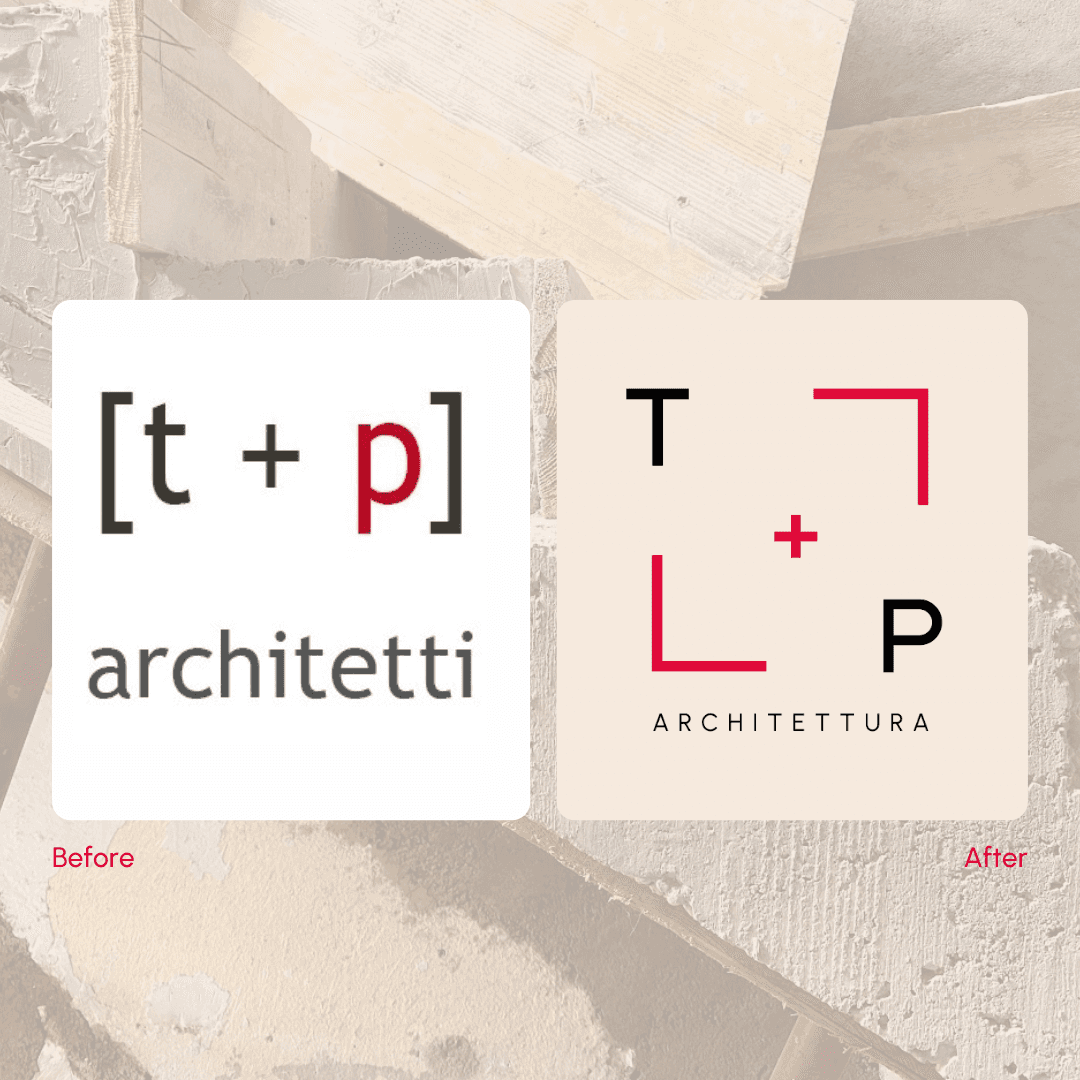
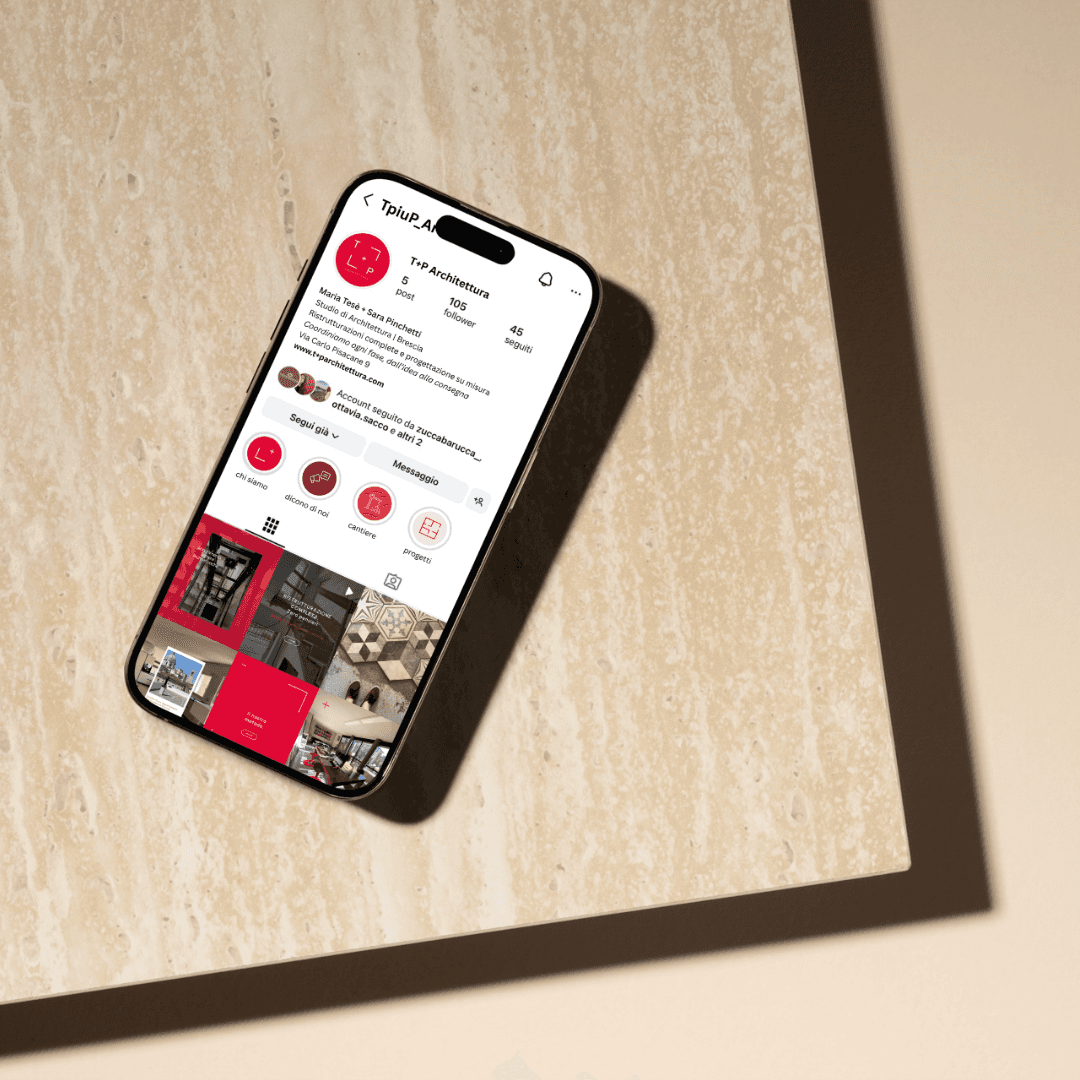
When we began the project, T+P’s existing Instagram presence and visual identity did not reflect the studio’s level of experience, expertise, or professional values. The old logo was simple and carried historical value, but it lacked clarity, modern structure, and visual language that could support the studio’s evolving ambitions.
challenge.
Redesign a visual identity that:
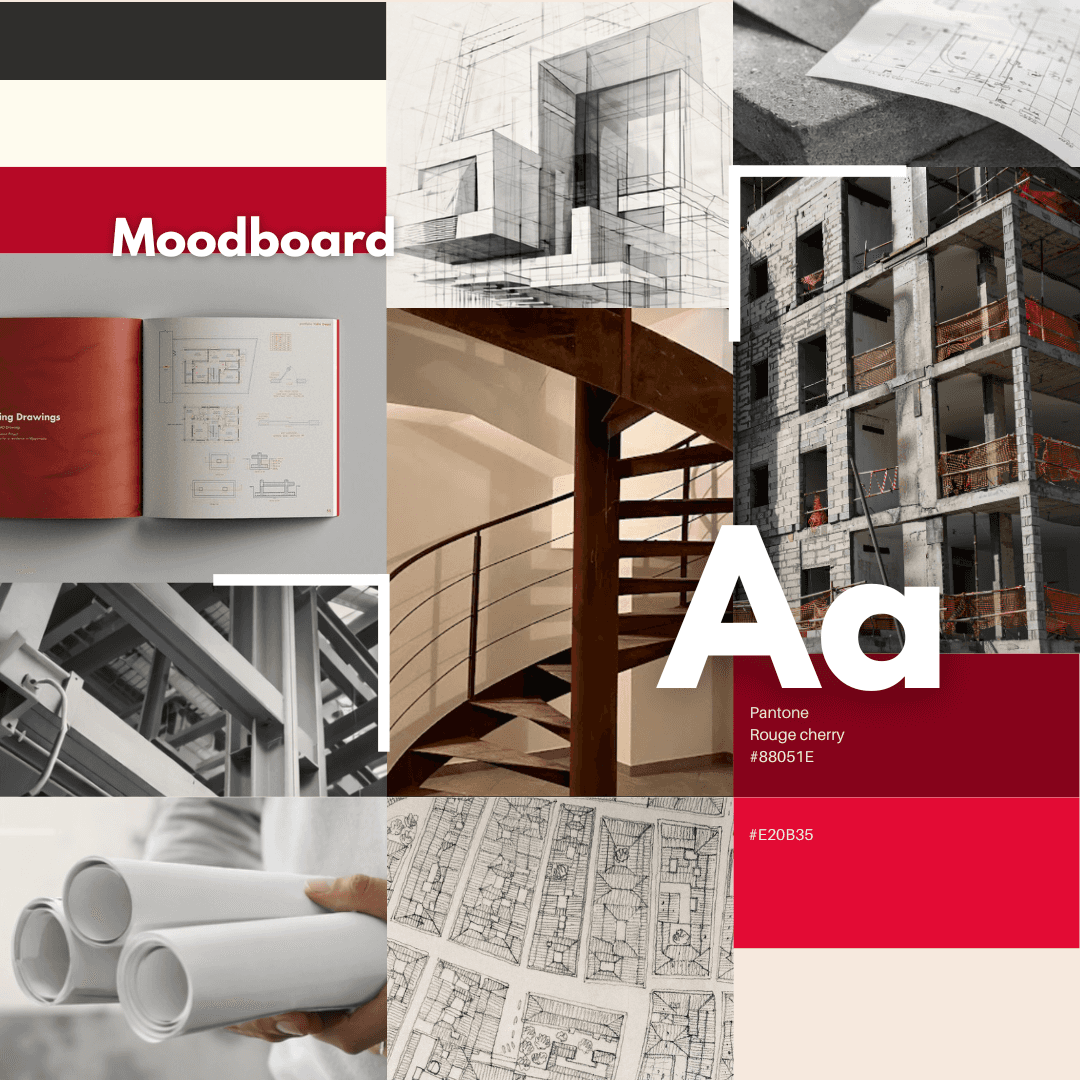
Honors the studio’s history, legacy, and existing brand recognition
Communicates professionalism, structure, and technical competence
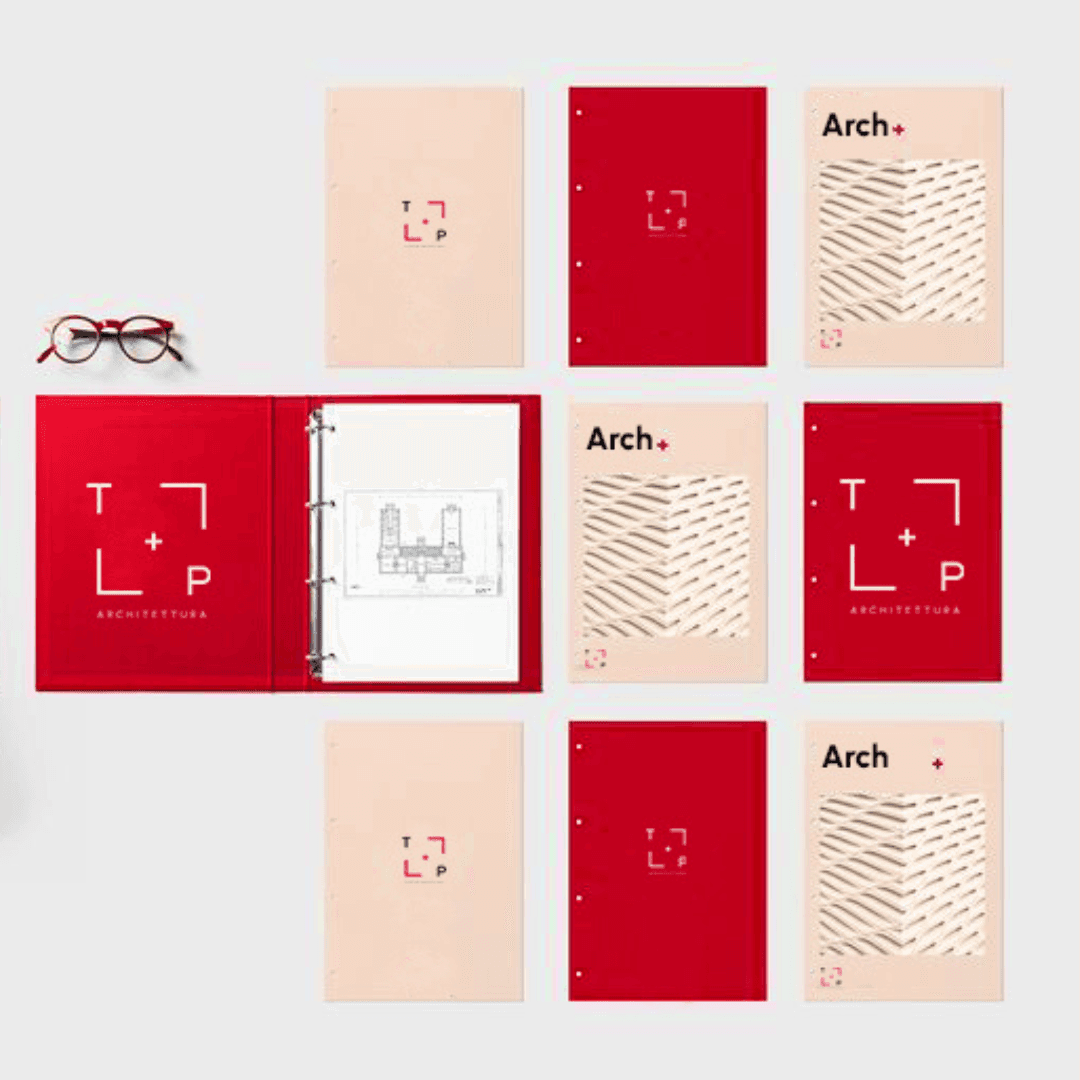
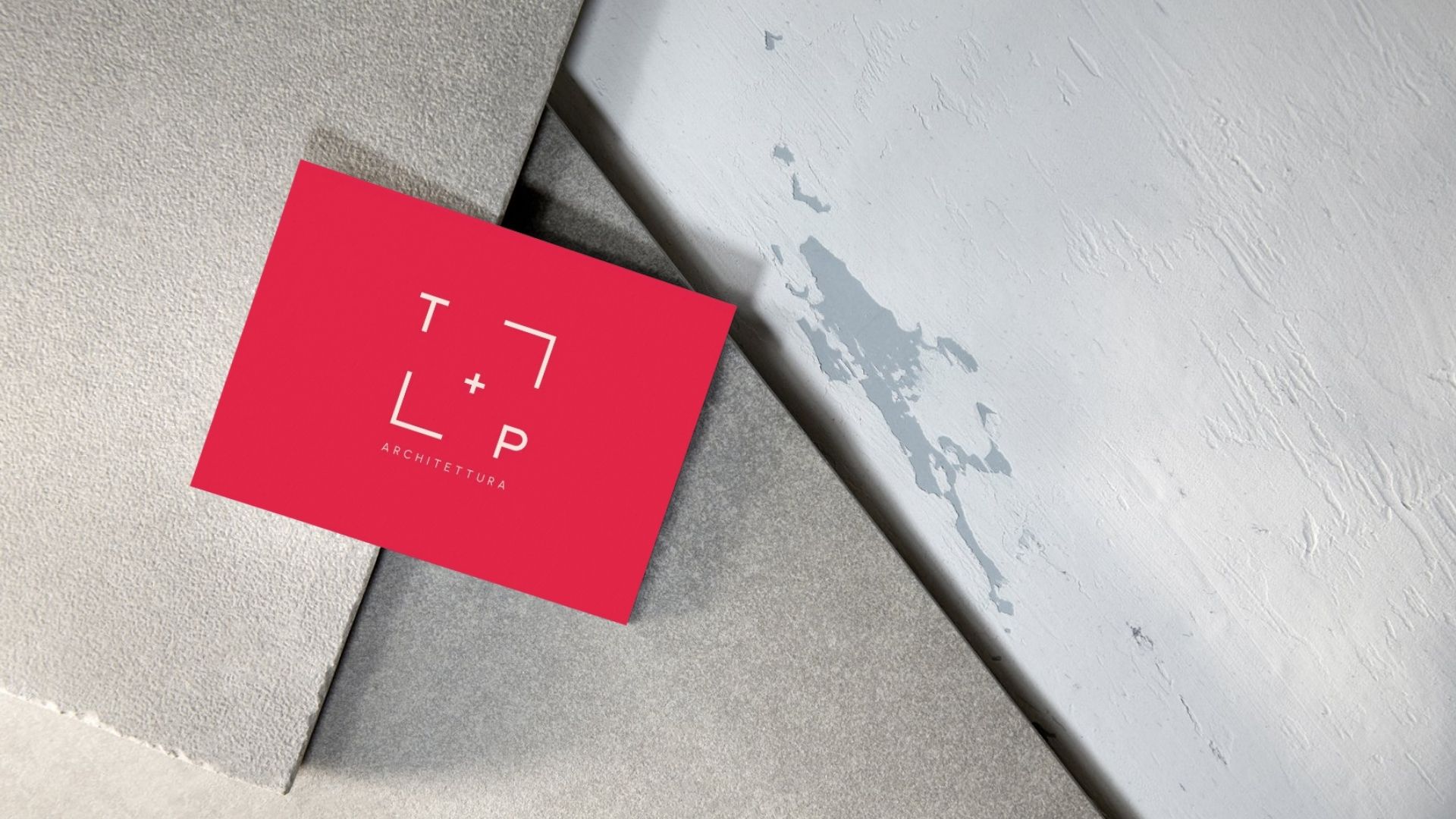
Works across digital platforms (Instagram, website) and print deliverables
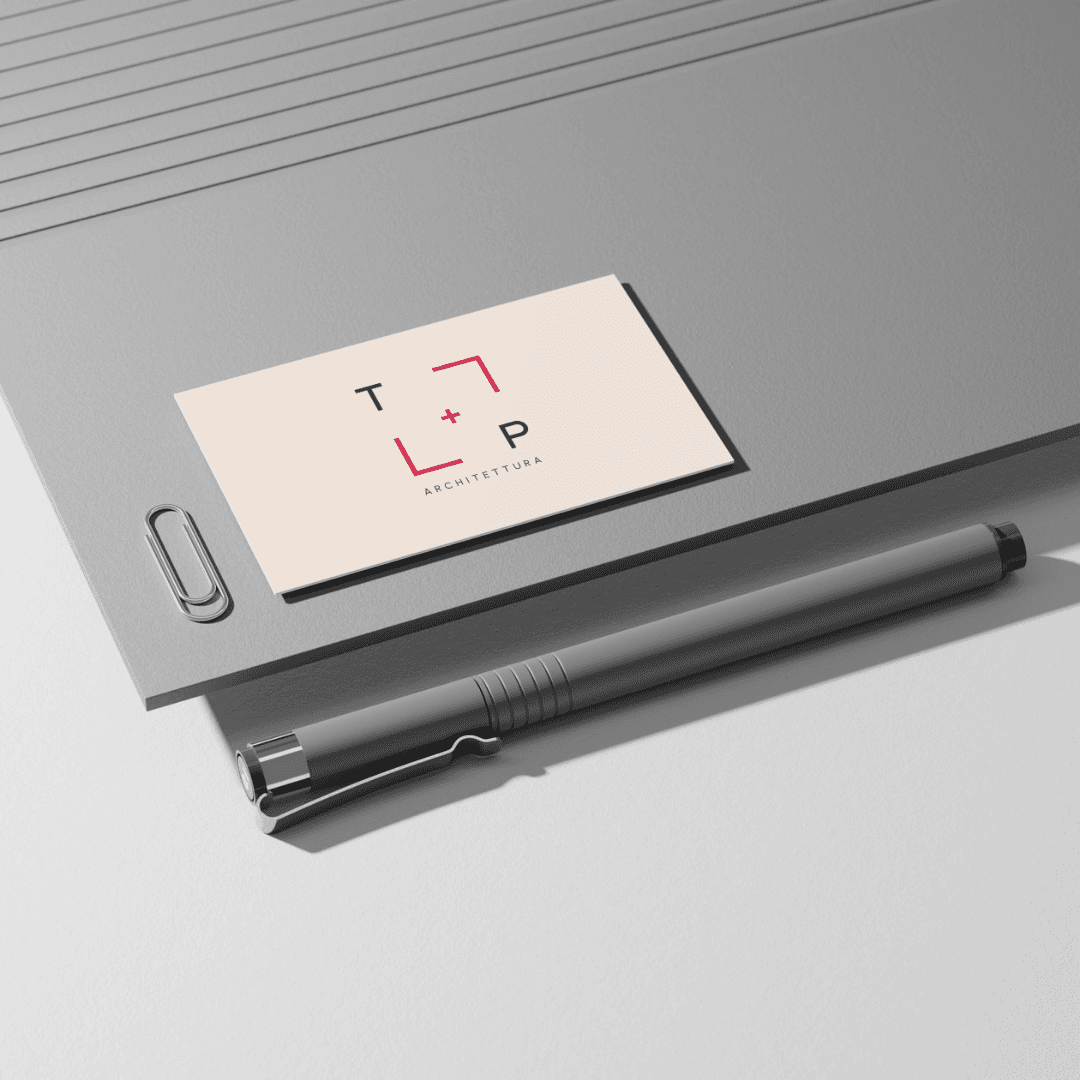
Provides a system that can grow into a broader visual identity (business cards, stationery, social templates, etc.)
The starting point was the existing logo, which served as the reference — not as a limitation.
Rather than create an entirely new brand that disconnected from the studio’s heritage, the goal was to evolve the existing mark into a stronger, more contemporary, and systematic visual identity. The redesign was grounded in the following principles:
Structural Clarity – The logo needed to reflect the studio’s organized, methodical, and technical approach to architecture.
Timelessness – Avoid trend-driven design in favor of a restrained, refined aesthetic.
Flexibility – Ensure the logo works effectively across contexts: social media, website, print, signage.
Identity Preservation – Maintain elements that resonate with the original identity to preserve recognition.
Design Process
The project developed through a structured and collaborative process.
1. Briefing
The process began with a detailed briefing session with the clients, aimed at understanding:
the studio’s evolution
its positioning goals
the values to preserve
the perception gaps between identity and reality
It was clear that the new identity had to feel more structured, more contemporary, and more aligned with the studio’s technical expertise — while still maintaining continuity with the past.
2. Exploration & Proposals
Based on the brief, multiple logo directions and color palettes were developed.
The exploration phase included:
typographic refinement
geometric studies
reinterpretation of legacy elements
color system proposals
Each proposal was presented with rationale, visual applications, and contextual simulations.
3. Refinement
The selected direction was then refined collaboratively.
Adjustments were made to:
spacing
proportions
stroke weight
color balance
This iterative phase ensured the final mark was not only conceptually strong, but visually precise.
4. Guidelines
The final stage included the development of logo usage guidelines.
These guidelines define:
clear space
minimum sizes
color applications
background usage
alternative logo versions
incorrect uses
The goal was to provide the studio with a coherent visual system — not just a logo.
result.
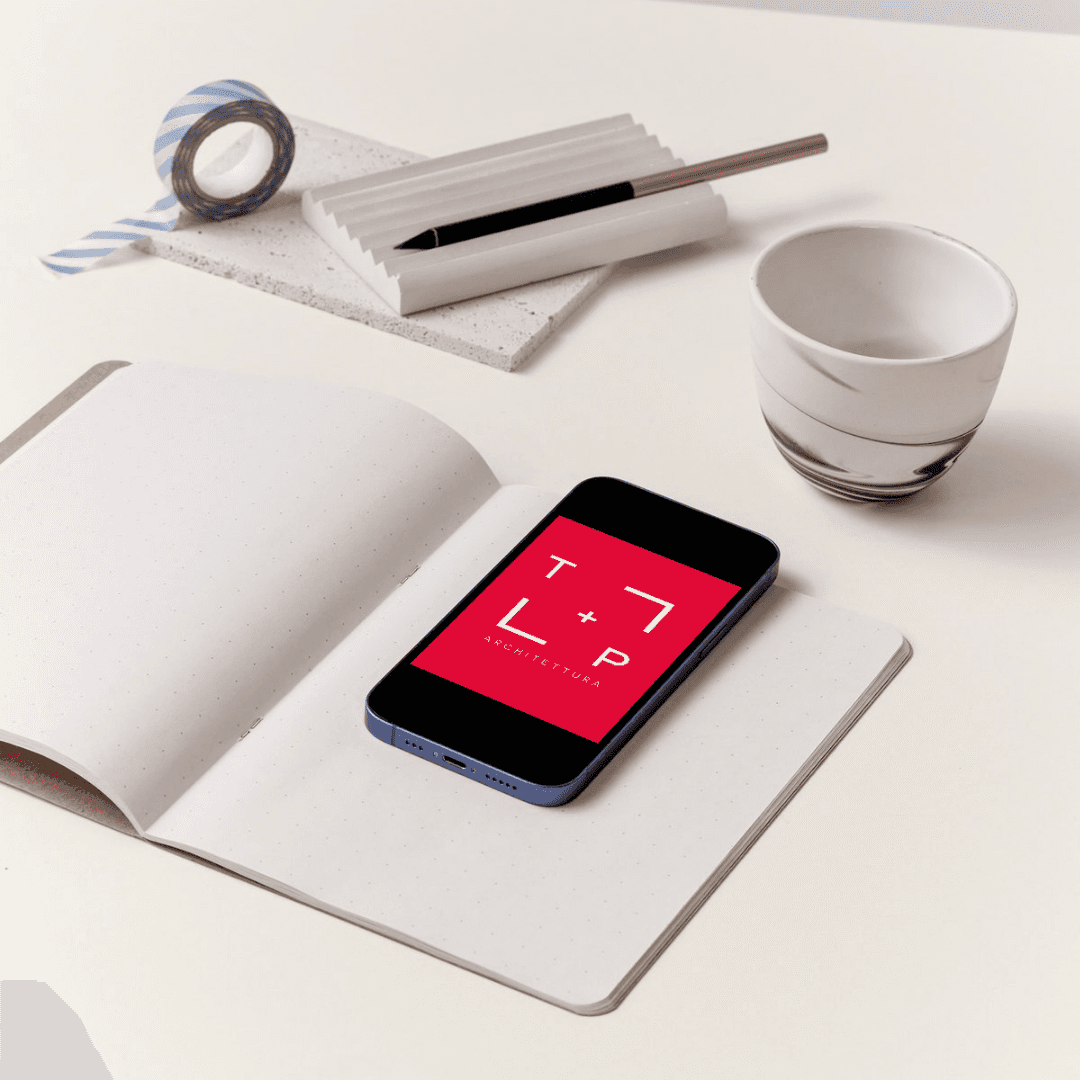
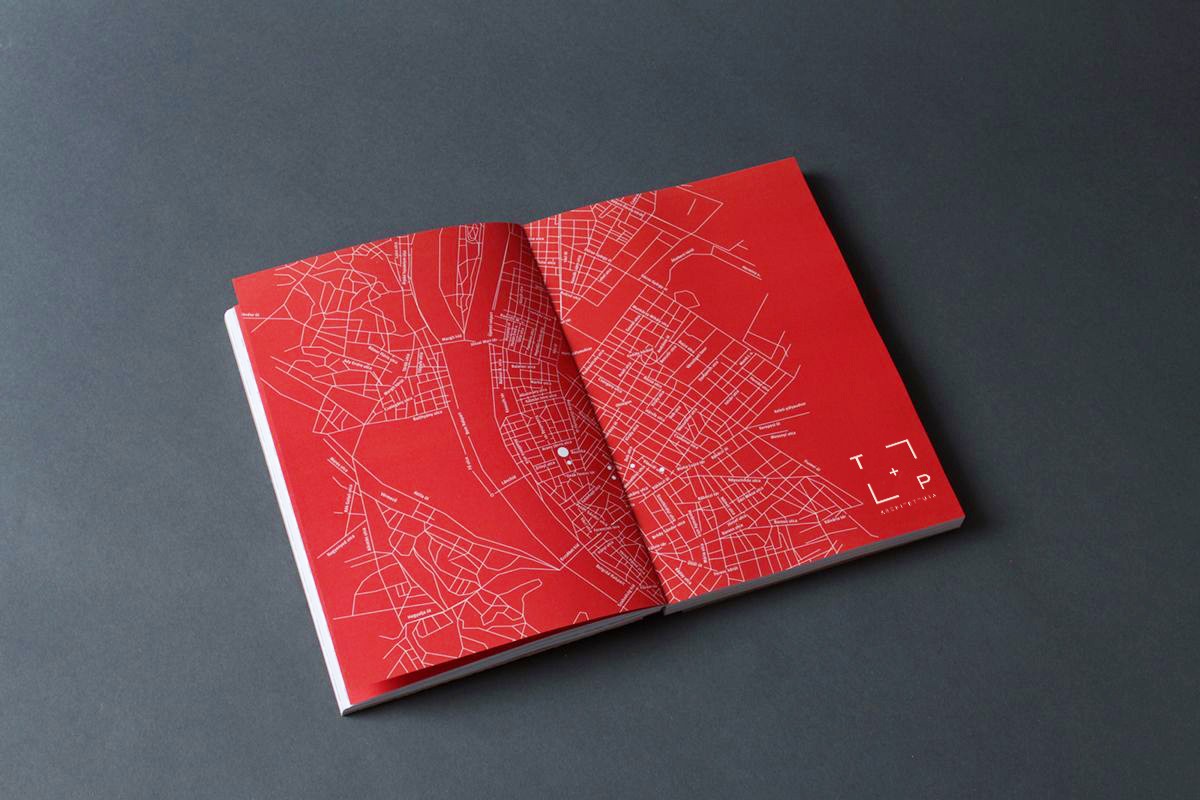
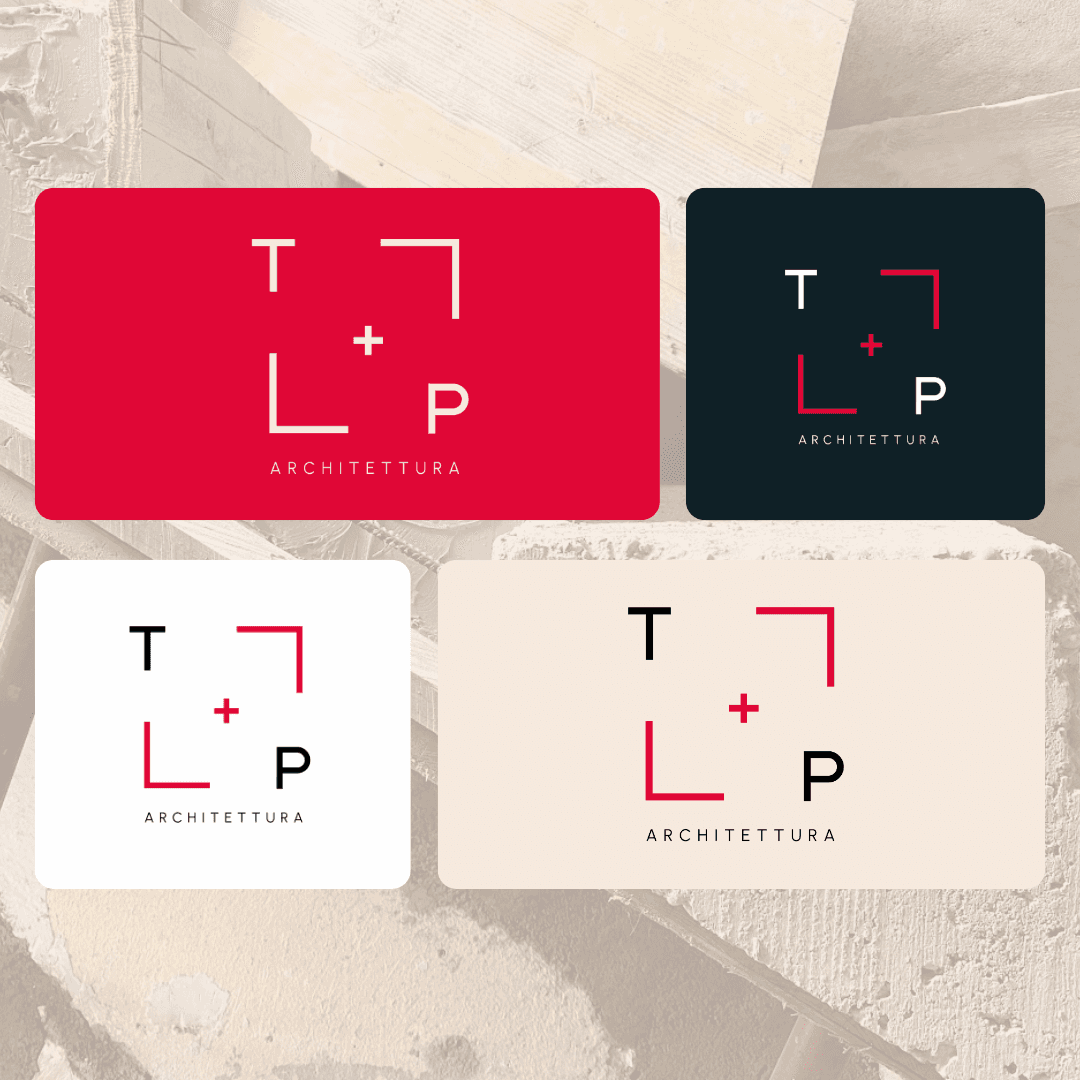
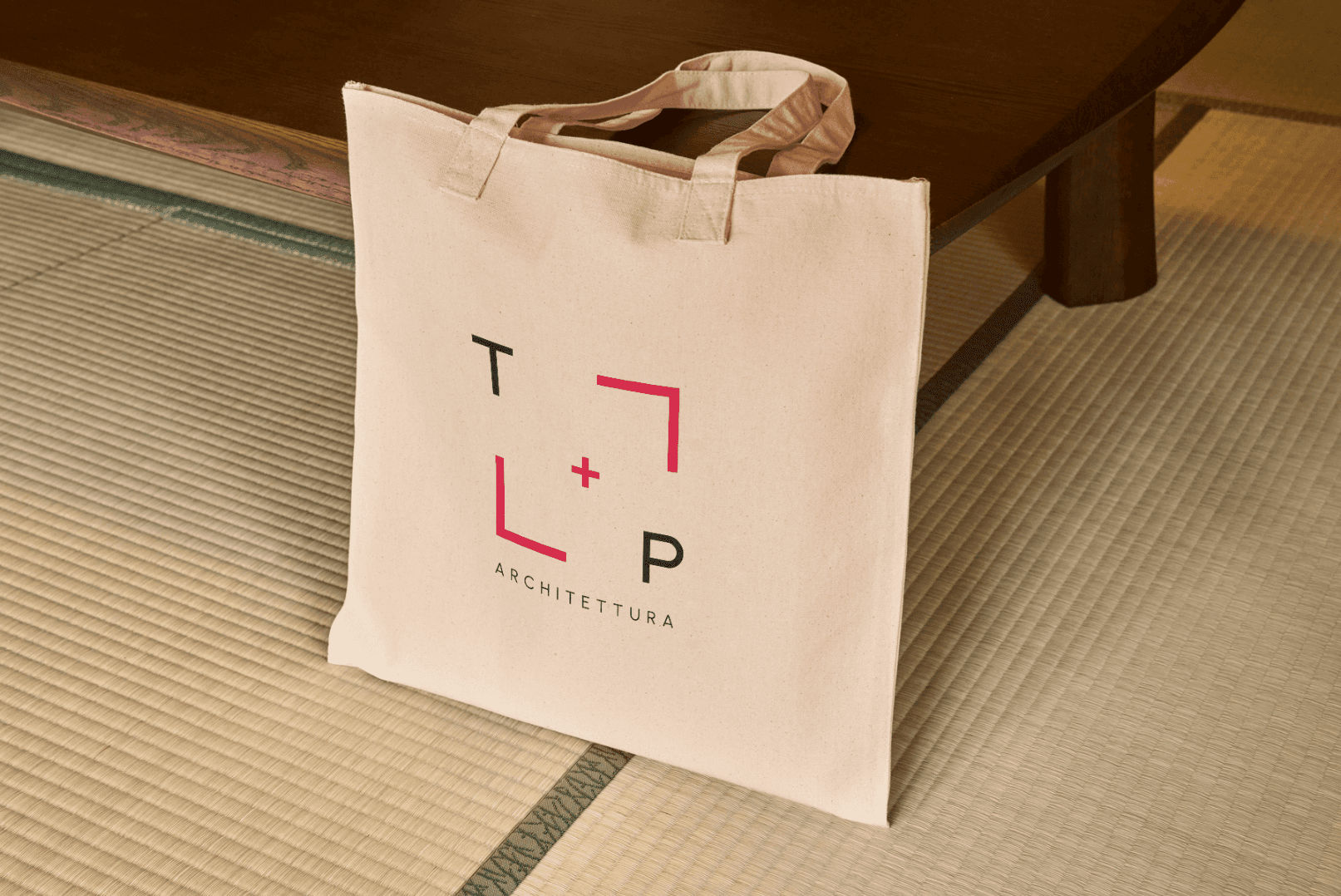
The redesigned logo maintains the core concept — the initials “T + P” — while refining every visual detail for clarity, balance, and modernity.
Key decisions included:
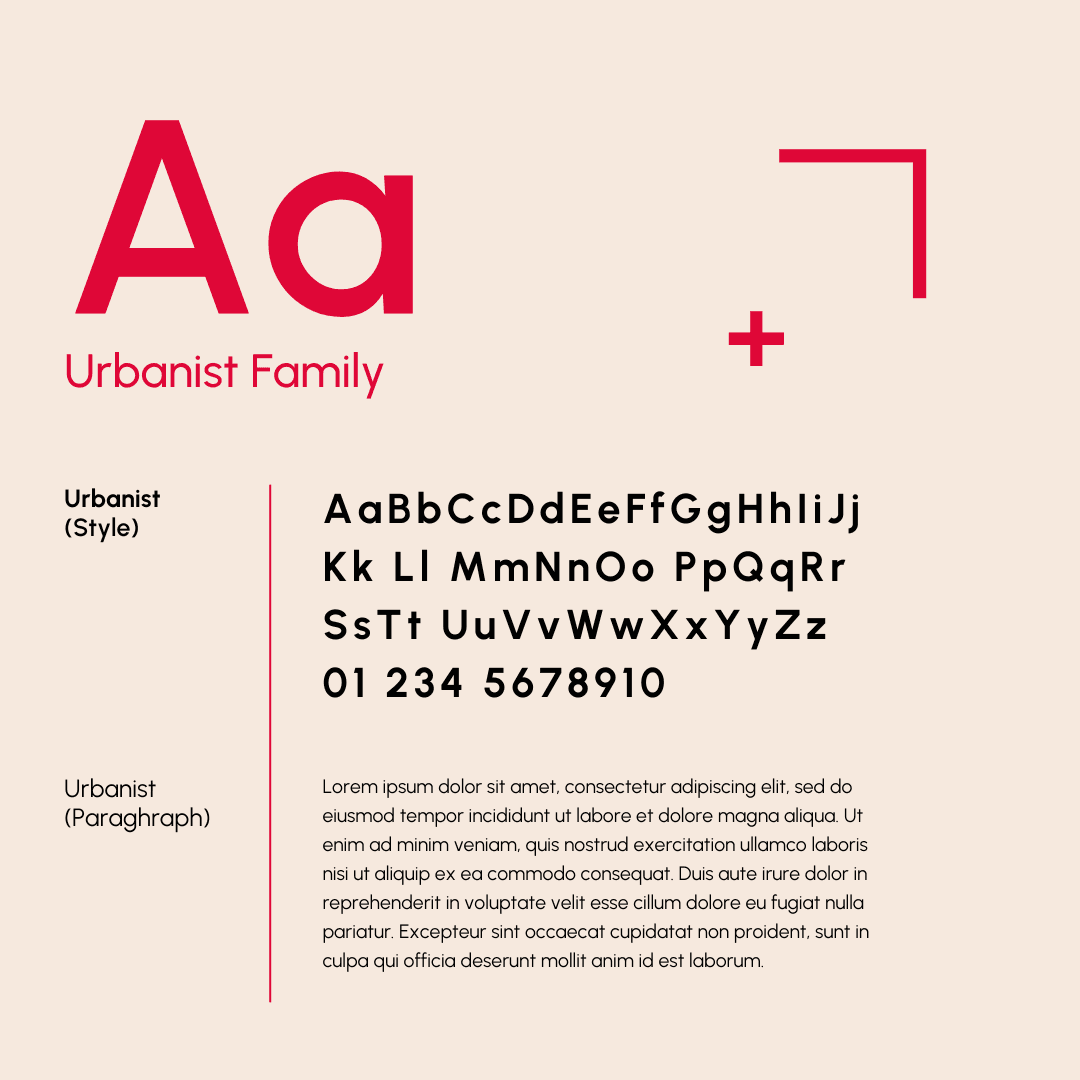
Typography refinement: A clean, modern sans-serif typeface was selected to enhance legibility and technical precision.
Geometric balance: The new mark uses intentional spacing and proportion, expressing structure rather than casual shape.
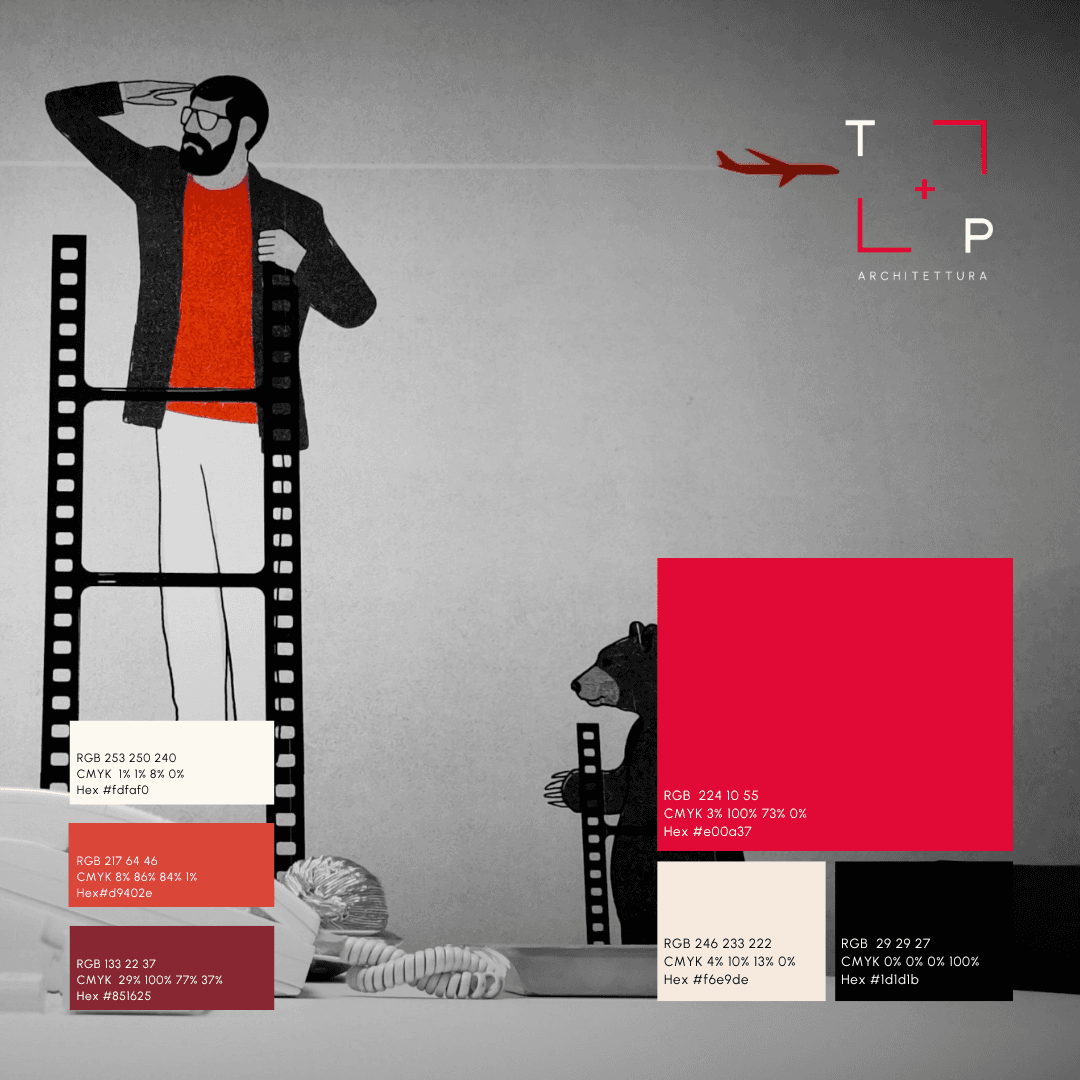
Color evolution: A contemporary burgundy (#E20B35) became the primary color, supported by a refined complementary palette. This choice preserves emotional continuity with the past but reads more vibrant, intentional, and confident in digital contexts.
Modular design: The mark works in multiple configurations — full logo, stacked variant, minimal icon — making it versatile across applications.
This brand evolution is more than a logo refresh. It’s a strategic visual foundation that:
Elevates perception
Communicates values at a glance
Supports consistent visual storytelling
Anchors future marketing and design work
Design Concept
Rather than starting from a blank page, the redesign began with a careful analysis of the existing logo.
Two elements were particularly distinctive:
the plus symbol and the parentheses enclosing the initials.
These elements carried recognition and history — but visually, they created a sense of closure. The old logo enclosed the “T” and “P” between two curved brackets, forming a contained, almost sealed composition.
The goal was not to erase these elements, but to reinterpret them.
Reinterpreting the Parentheses
The original parentheses were transformed into graphic strokes.
Instead of enclosing the initials, they now contribute to forming a geometric structure together with the “T” and the “P”. The composition generates a square — a shape that subtly recalls:
an architectural plan
a framed space
a defined but structured boundary
However, the elements are intentionally not fully connected.
Small gaps remain between the strokes.
These negative spaces are deliberate.
They suggest:
openness
evolution
an ongoing process
a project that is never static
This contrasts with the previous logo, where the enclosing brackets created a visual sense of closure.
The new identity expresses structure without rigidity.
The Plus as a Central Node
At the center of the square sits the plus symbol.
It acts as:
the conceptual intersection between T and P
the visual balance point of the composition
a metaphor for collaboration and integration
In architectural terms, it becomes a structural joint — the element that connects, supports, and unifies.
It is not decorative.
It is the core.